What Is the Best Door Seal Rubber Strip?
Finding the best rubber door seal strip is crucial for enhancing your home’s energy efficiency, comfort, and protection. A high-quality door seal prevents drafts, dust, water, noise, and pests from entering your living spaces. With numerous types and materials available, selecting the right one can be challenging. This definitive guide will navigate you through the key considerations—from material science and application-specific features to precise installation—ensuring you make an informed, value-driven purchase for your garage door, shower, or main entryway.
Key Factors Defining the Best Rubber Door Seal
The “best” seal depends entirely on your specific door, climate, and needs. Here are the professional criteria for evaluation.
Material Composition and Properties
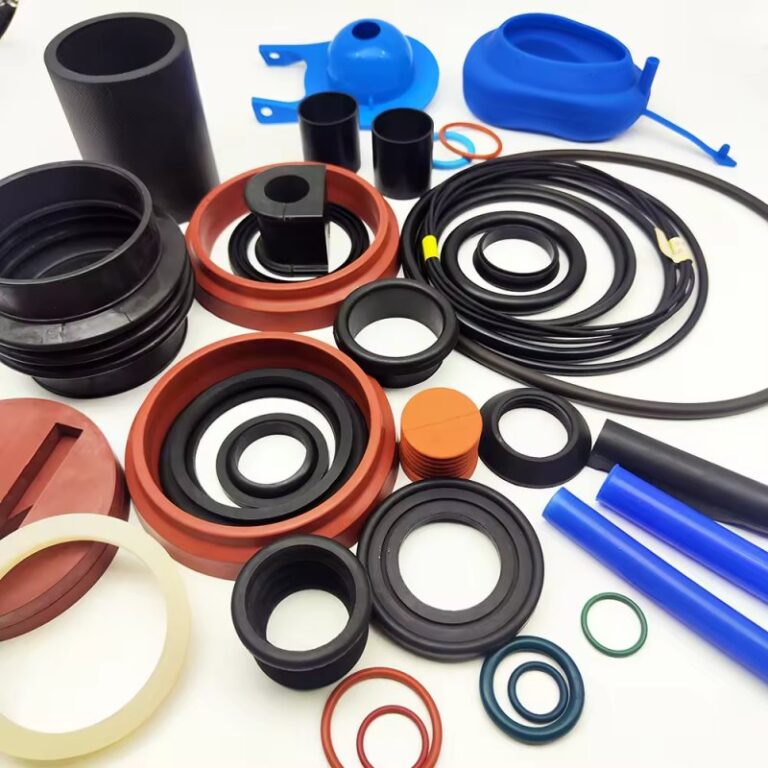
Not all door seal rubber is created equal. The material determines durability, flexibility, and performance.
-
EPDM (Ethylene Propylene Diene Monomer): Often considered the premium choice. It offers exceptional resistance to ozone, UV radiation, extreme temperatures (-40°F to 250°F), and weathering. Perfect for exterior door weather strips.
-
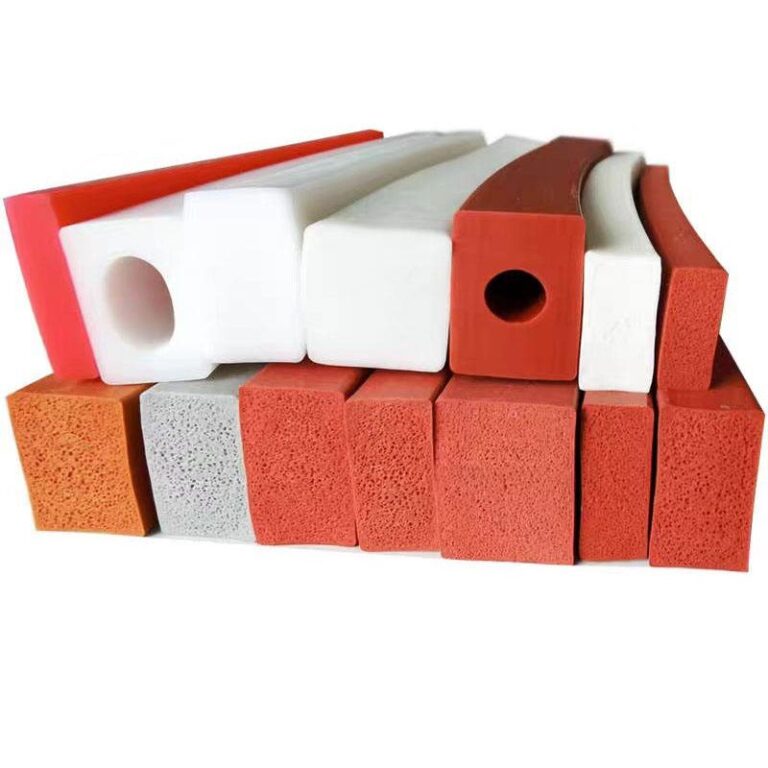
Silicone: Excellent for high-temperature and frequent wet environments. Highly flexible and hypoallergenic, making it ideal for vertical shower door seal strips and kitchen applications.
-
Vinyl (PVC): A cost-effective option with good durability. It can become less flexible in cold weather. Best for interior doors or low-traffic areas.
-
Foam (Polyurethane or EVA): Primarily for light-duty sealing and soundproofing interior doors. Less durable against physical abrasion.
Design and Profile Shape
The profile must match the gap you need to seal.
-
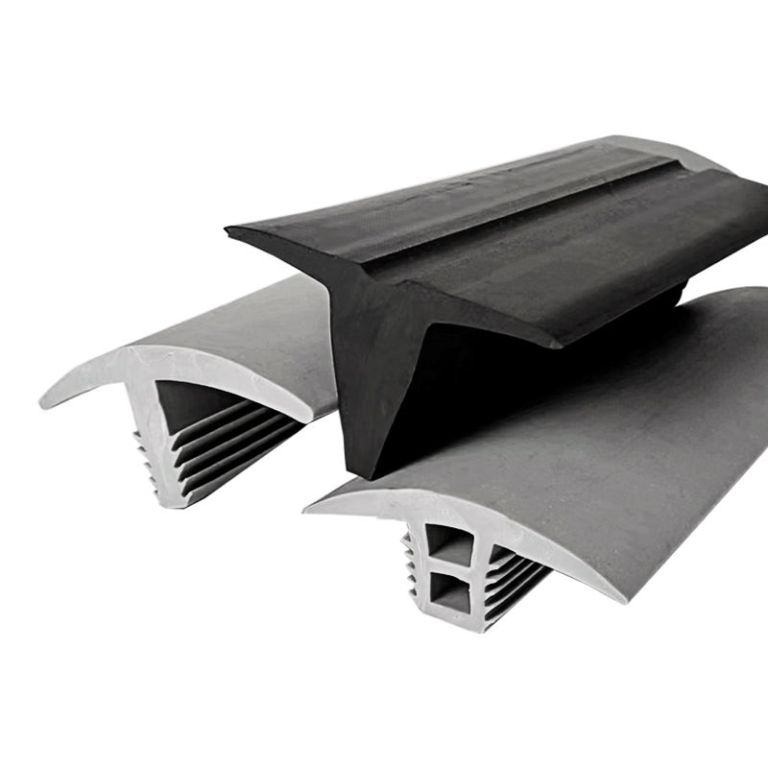
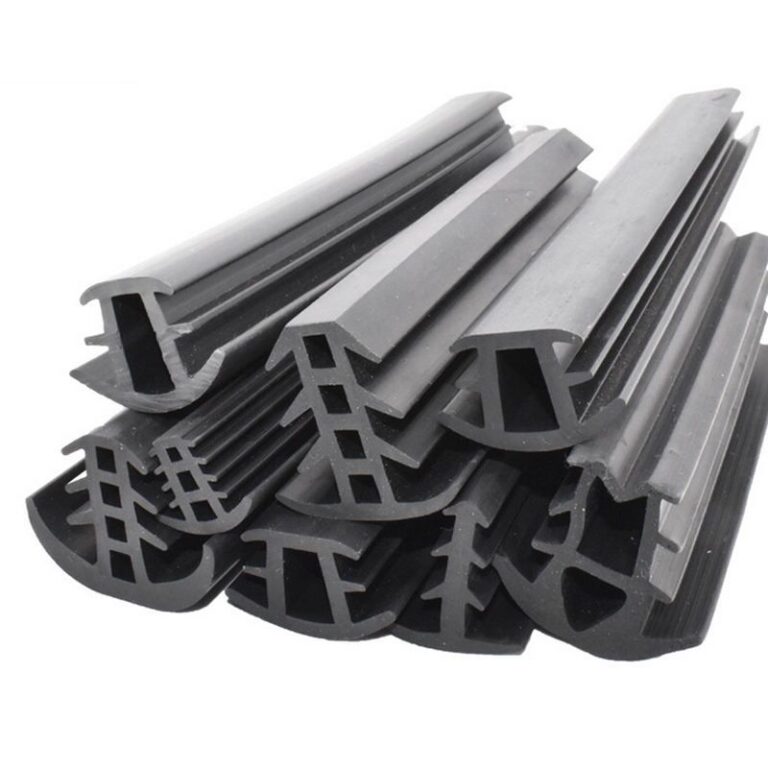
Bulb Seals (P-Seals): A tubular bulb attached to a flat mounting fin. The bulb compresses to fill irregular gaps, providing excellent air and sound insulation.
-
Flap Seals (Sweeps): Feature a flexible flap that deflects as the door closes, sealing the threshold. Ideal for sealing the bottom of doors against floors.
-
U-Channel/Groove Seals: Have a U-shaped channel that grips directly onto the door edge or frame. Common for garage door weather strips and metal doors.
-
Magnetic Seals: Incorporate a magnetic strip within the rubber, creating an airtight seal on metal doors, commonly used for refrigeration units or sealed rooms.
Key Performance Advantages of a Quality Seal
Investing in a superior door seal rubber strip yields multiple benefits:
-
Energy Efficiency: Blocks drafts, reducing HVAC load and lowering utility bills.
-
Weather & Element Protection: Keeps out rain, snow, dust, and insects.
-
Noise Reduction: Dampens external noise for a quieter interior.
-
Improved Comfort: Eliminates cold spots and drafts.
-
Long-Term Protection: Prevents moisture damage to floors and door frames.
Application-Specific Recommendations
Best Seal for Garage Doors
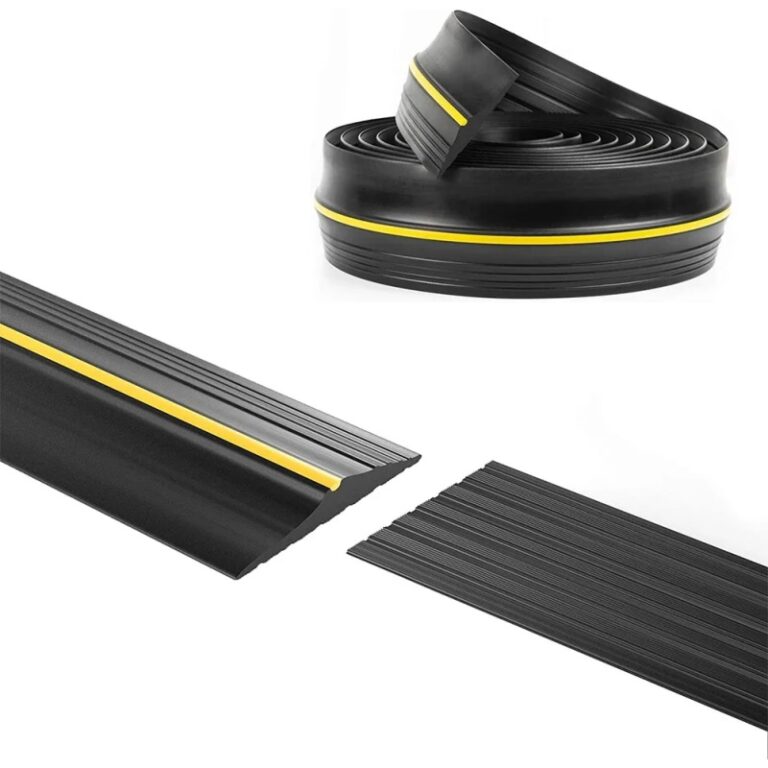
A garage door weather strip must withstand harsh conditions. Look for heavy-duty EPDM rubber in a U-channel or bulb seal design.
-
Top & Sides: Durable U-channel seals that slide into the door frame tracks.
-
Bottom: A thick, scraper-style rubber seal that compresses against the driveway, resisting abrasion and sealing uneven surfaces.
Best Seal for Shower Doors
For a vertical shower door seal strip, prioritize 100% silicone. It remains flexible, is mold and mildew resistant, and is easy to clean. Clear or translucent strips maintain aesthetics while preventing water leaks onto the bathroom floor.
Best Seal for Entry and Patio Doors
EPDM or dense foam with a bulb seal profile is ideal. It should handle frequent opening/closing, weather changes, and provide good sound insulation. Magnetic seals offer the highest performance for in-swing doors.
Technical Comparison: Rubber Door Seal Strip Specifications
The table below summarizes critical parameters to compare when selecting a product.
| Parameter | Typical Options/Specs | Application Note |
|---|---|---|
| Core Material | EPDM, Silicone, Vinyl (PVC), Foam | EPDM for exterior; Silicone for wet areas. |
| Profile Type | U-Channel, Bulb Seal, Flap Sweep, Magnetic | Match profile to gap location (side, top, bottom). |
| Durometer (Hardness) | 40-80 Shore A | Softer (lower number) for better compression; harder for abrasion resistance. |
| Temperature Range | E.g., -40°F to 250°F (for EPDM) | Ensure it covers your local climate extremes. |
| Length | Standard rolls: 10 ft, 16 ft, 33 ft | Measure total needed and buy slightly extra. |
| Width / Height | U-Channel: 3/4″, 1″; Bulb Diameter: 3/8″, 1/2″ | Accurately measure the door or frame groove dimension for a secure fit. |
| Color | Black, White, Brown, Grey, Clear | Choose based on door color for aesthetics. |
| Mounting Method | Adhesive-backed, Mechanical (nail-on), Slide-in | Adhesive for smooth surfaces; mechanical for durability; slide-in for garage tracks. |
How to Install a Rubber Door Seal Strip: A Step-by-Step Guide
Proper installation is key to performance.
-
Preparation: Clean the contact surface thoroughly with isopropyl alcohol. Ensure it’s dry and dust-free.
-
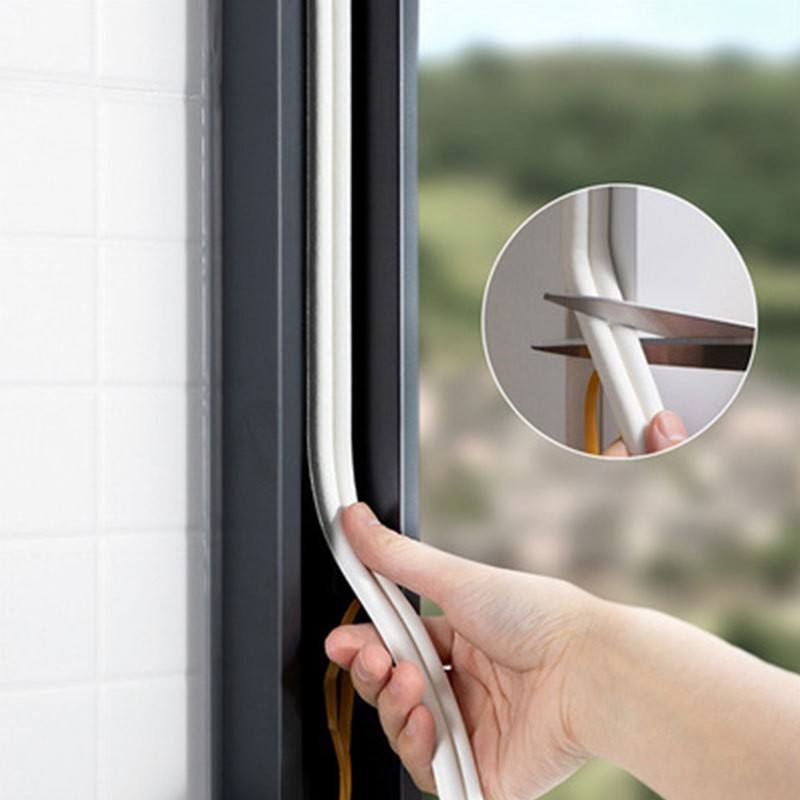
Measurement: Measure each side (top, sides, bottom) accurately. Cut the door seal strip with sharp scissors or a utility knife at a 45-degree angle for neat corners.
-
Dry Fit: Test fit the strip without removing the adhesive backing. For U-channels, ensure a snug fit.
-
Application: For adhesive strips, peel back a small section of the liner. Align carefully and press into place, gradually removing the liner as you go. Apply firm, even pressure along the entire length.
-
For Bottom Sweeps: Screw or nail the strip to the interior face of the door, ensuring the flap contacts the threshold evenly when the door is closed.
-
Curing: Allow 24 hours for adhesive to fully bond before subjecting the door to normal use.
Frequently Asked Questions (FAQ)
How long does a rubber door seal last?
A high-quality EPDM door seal can last 10-15 years. Silicone lasts similarly, while vinyl and foam may need replacement every 5-8 years, depending on exposure.
Can I install a door seal on an uneven floor?
Yes. For bottom seals, choose a door sweep with an adjustable flap or a highly compressible bulb seal designed to accommodate floor irregularities.
How do I clean and maintain my door seal?
Wipe regularly with a damp cloth and mild soap. For mildew on shower seals, use a vinegar solution. Avoid petroleum-based cleaners which can degrade rubber. Periodually check for compression loss or tears.
Why is there still a draft after I install a new seal?
The most common cause is incorrect profile selection or improper installation. Ensure the seal is the right size to make full contact when the door is closed. Gaps in adhesive application or a misaligned sweep can also cause leaks.
Are rubber door seals effective for soundproofing?
While they primarily block air, a well-sealed door with a dense bulb seal or magnetic weather strip significantly reduces noise transmission by sealing sound pathways. For serious soundproofing, combine with acoustic door sweeps and mass-loaded vinyl.
Conclusion: Making Your Informed Choice
The best rubber door seal strip effectively balances material excellence, intelligent design, and perfect application fit. For most exterior doors, EPDM rubber in a bulb or U-channel profile represents the gold standard for durability and performance. For wet environments, silicone is unmatched. Always prioritize precise measurements and follow installation guidelines to ensure your door weather strip performs optimally for years to come.
By investing in the right seal, you’re not just buying a piece of rubber; you’re investing in home comfort, lower energy costs, and long-term property protection. Use this guide to ask the right questions and select the perfect seal with confidence.