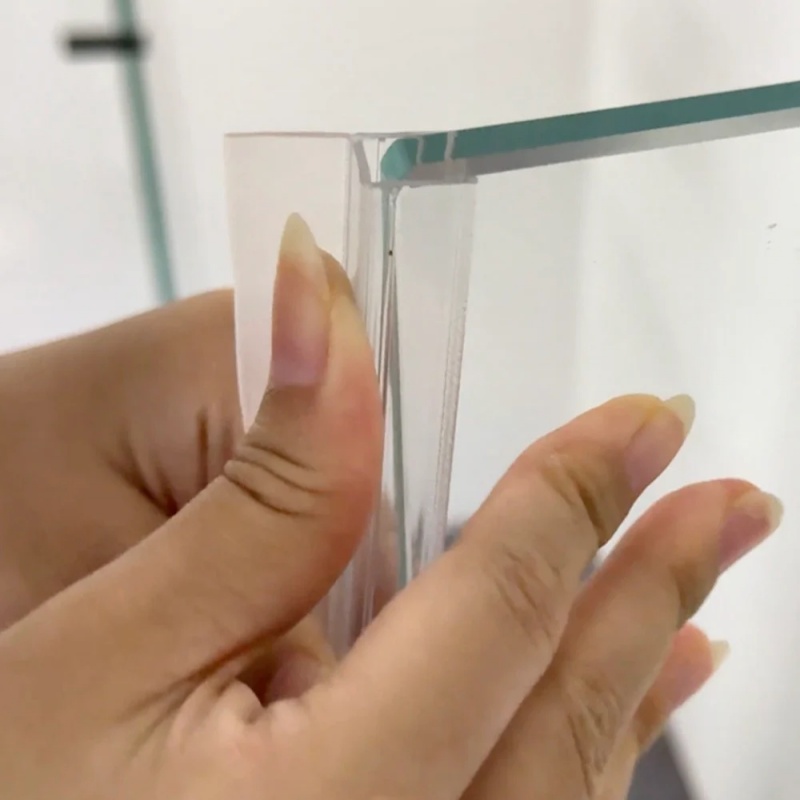
The Complete Guide to Vertical Shower Door Seal Strips: Stop Leaks for Good
A persistent puddle on the bathroom floor is more than a nuisance; it’s a slipping hazard and can lead to water damage. Often, the culprit is a worn or ineffective vertical shower door seal strip. This essential component creates a watertight barrier between shower door panels or between the door and the wall. This comprehensive guide will empower you to select, install, and maintain the best shower door seal, ensuring a dry, safe, and clean bathroom environment.
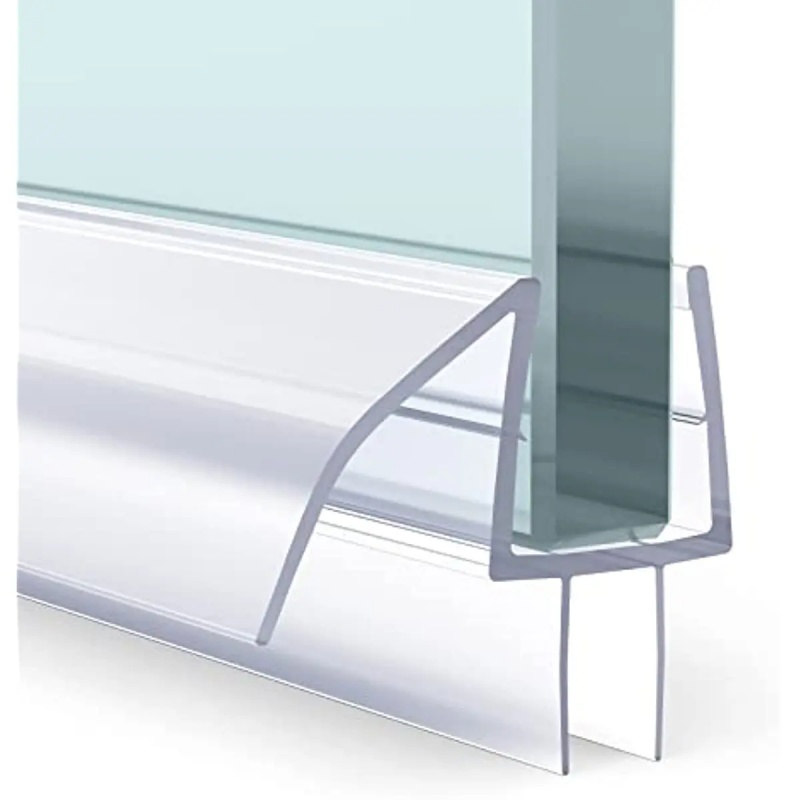
Why Your Shower Door Seal is Failing
Understanding common failure points is the first step to a solution.
-
Material Degradation: Constant exposure to heat, moisture, and cleaning chemicals can cause cheap rubber door seal strips to harden, crack, or become misshapen.
-
Mold and Mildew Buildup: Porous materials trap soap scum and moisture, leading to black mold growth that compromises the seal’s integrity and appearance.
-
Incorrect Size/Profile: A seal that is too narrow, too wide, or the wrong shape cannot make full contact, leaving gaps for water to escape.
-
Poor Installation: An unevenly applied or twisted seal will not perform effectively, regardless of material quality.
Choosing the Right Shower Door Seal: Silicone vs. Rubber
The material is your most critical decision, silicone or rubber.
100% Silicone Seal Strips (The Premium Choice)
-
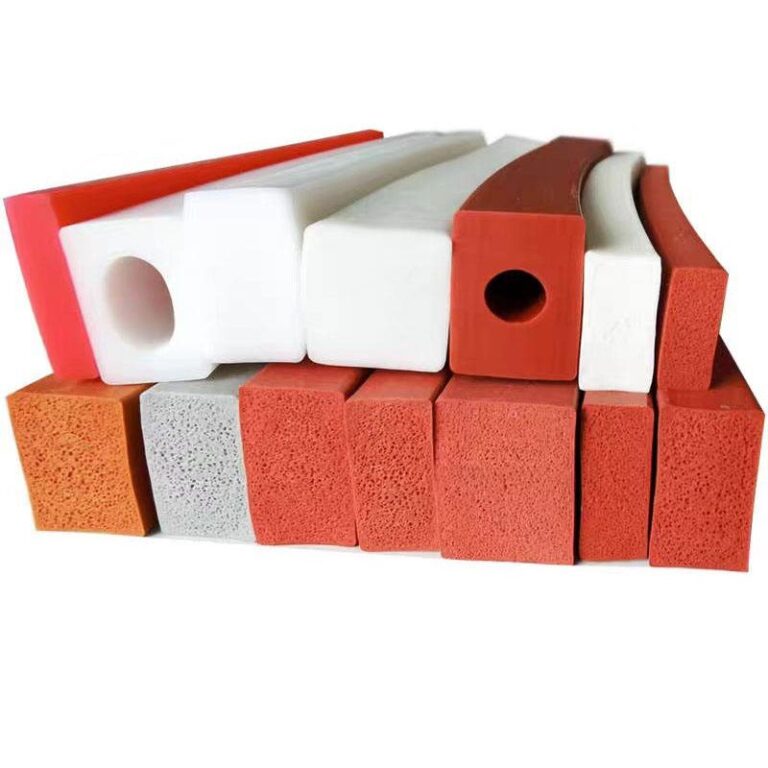
Advantages: Superior flexibility, extreme resistance to mold and mildew, non-porous surface, withstands high temperatures, and retains its shape. Available in clear, white, and grey to blend seamlessly.
-
Best For: All vertical shower door seal strip applications, especially in hard water areas or for homeowners seeking a low-maintenance, hygienic solution.
EPDM or PVC Rubber Seal Strips
-
Advantages: Generally more cost-effective initially and can offer good flexibility.
-
Drawbacks: More prone to discoloration, mold growth in pores, and can degrade faster when exposed to certain chemicals. May leave black marks on glass.
-
Consideration: If choosing rubber, ensure it’s labeled for bathroom use. EPDM is more durable than PVC.
How to Measure and Select the Perfect Fit
A perfect fit is non-negotiable. Follow these steps:
-
Identify the Gap: Is the seal needed between two glass panels (glass-to-glass) or between glass and a wall/tile (glass-to-wall)?
-
Measure the Gap Width: Use a caliper or ruler to measure the exact distance (e.g., 6mm, 8mm, 10mm) that needs to be sealed.
-
Measure the Glass Thickness: Standard shower glass is often 6mm, 8mm, or 10mm thick. Your seal’s channel must match this.
-
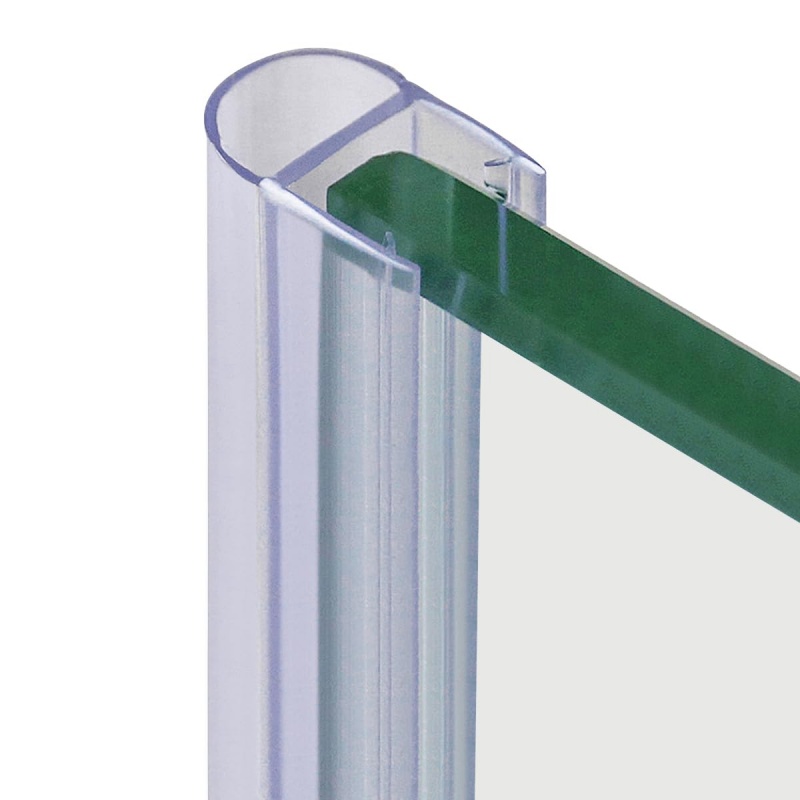
Choose the Profile: A “P” or “D” shape that presses flat against the glass is most common for vertical seals.
Quick Reference Sizing Table:
| Gap to Seal (Width) | Recommended Seal Width (at Widest Point) | Common Glass Thickness | Profile Type |
|---|---|---|---|
| 1mm – 4mm | 8mm – 12mm | 6mm – 10mm | Thin P-Seal |
| 5mm – 8mm | 15mm – 20mm | 6mm – 10mm | Standard P-Seal |
| 9mm+ | 20mm+ (or Consider a Double Seal) | 8mm – 12mm | Wide Flap Seal |
Step-by-Step Installation & Replacement Guide
Replacing a shower door rubber seal is a straightforward DIY project.
Tools Needed: Flat-head screwdriver, rubbing alcohol, microfiber cloth, tape measure, sharp scissors.
-
Remove the Old Seal: Gently pry the old door seal strip out of its channel using a flat-head screwdriver. Start at one end and work slowly.
-
Deep Clean: Thoroughly clean the empty channel on the shower door with rubbing alcohol to remove all residue, soap scum, and mildew. Dry completely.
-
Dry Fit: Before removing any adhesive backing, insert the new seal into the channel. Ensure it slides in smoothly and fits the length correctly.
-
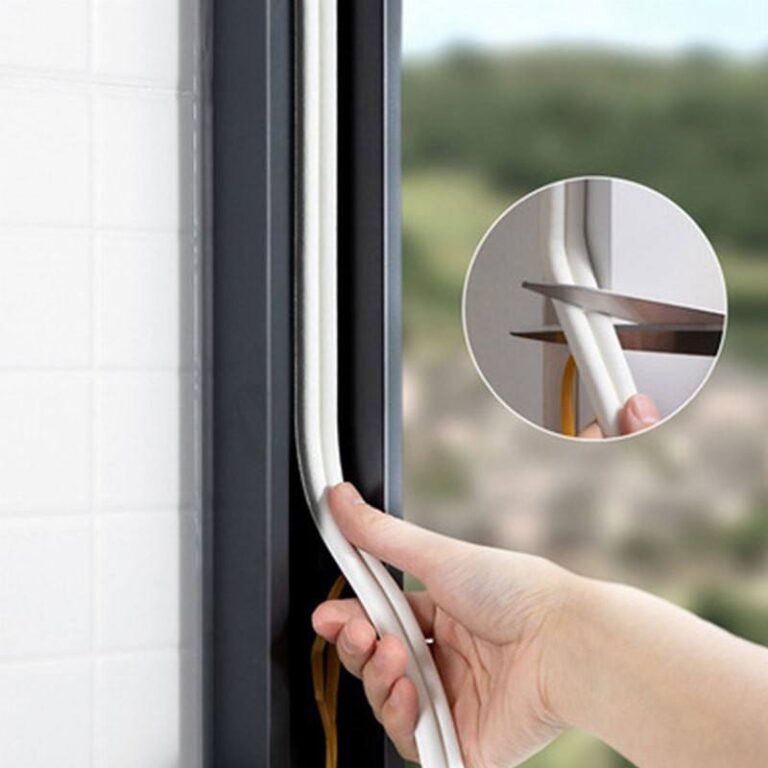
Cut to Length: Measure and cut the seal precisely for a perfect fit. For a professional finish, cut corners at a 45-degree angle.
-
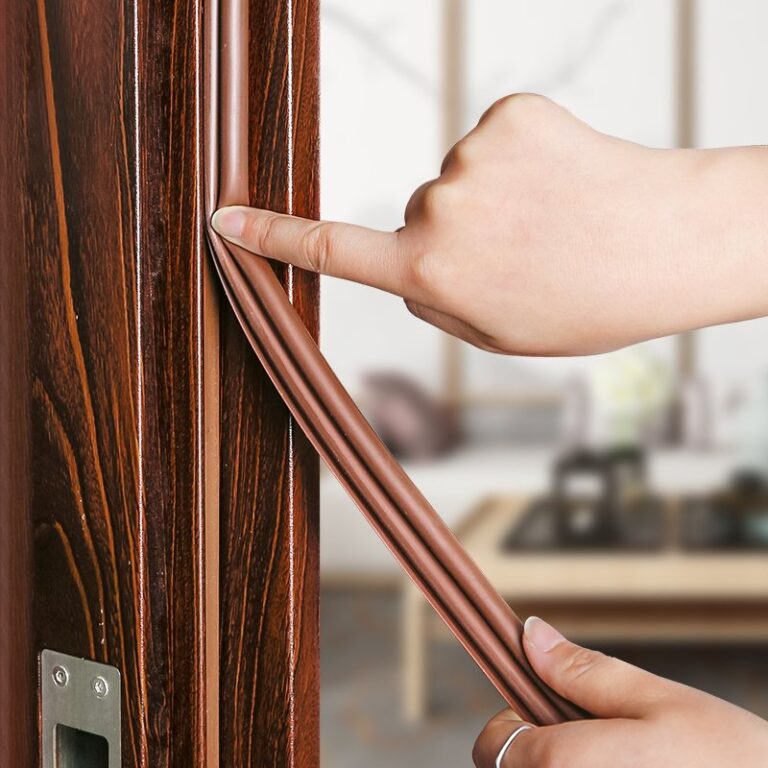
Install: If it’s a press-fit channel seal, simply press it firmly into place along its entire length. If it has adhesive, peel the backing as you press and align.
-
Final Check: Close the shower door gently. Observe the contact line to ensure the seal compresses evenly without buckling.
Maintenance Tips to Extend Seal Life
-
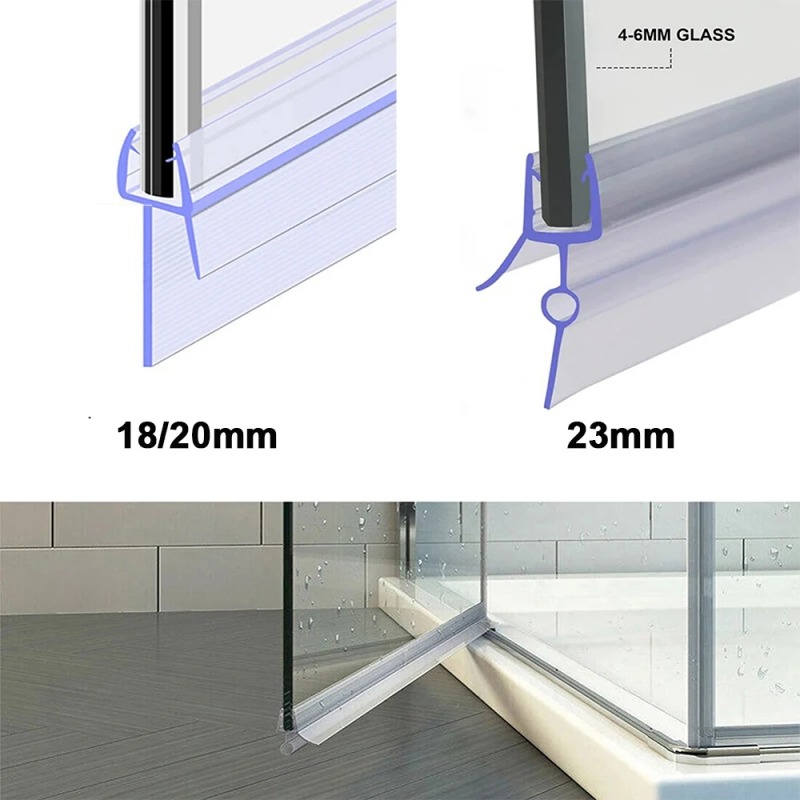
Weekly: After showering, run a squeegee over the glass and seals to remove standing water.
-
Monthly: Wipe seals with a 1:1 vinegar/water solution to prevent calcium and soap buildup. Rinse with clean water.
-
Avoid: Harsh abrasive cleaners, bleach on colored seals, and pulling or stretching the seal when cleaning.
FAQ: Your Shower Seal Questions Answered
Can I use a vertical seal on the bottom of the door?
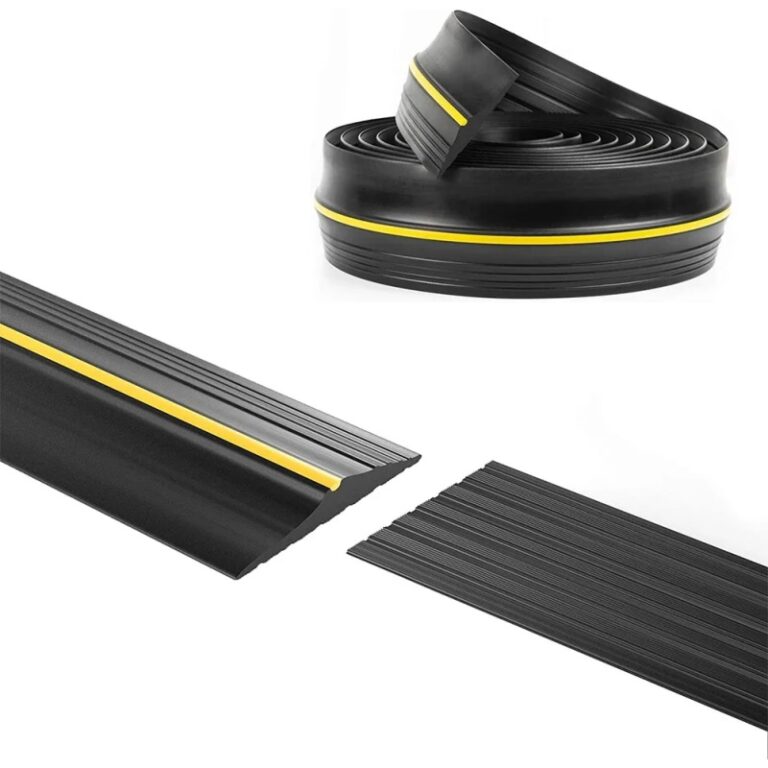
No. Vertical seals are designed for side applications. The bottom of the door requires a different profile, typically a shower door sweep or threshold seal, designed to flex against the tile curb.
My seal is in good shape, but water still leaks. Why?
The leak may originate from the door hinges, handle penetrations, or a poorly sealed wall joint. Check if water is tracking along the door frame before blaming the door seal rubber strip. Also, ensure your bathroom is properly ventilated to reduce pressure that can force water through microscopic gaps.
How often should shower door seals be replaced?
A high-quality silicone seal can last 3-5 years with proper care. Lower-quality rubber seals may need replacement every 1-2 years. Replace at the first signs of cracking, permanent deformation, or persistent mildew within the material.
Are universal shower door seals any good?
“Universal” seals can work for simple replacements if you find one that closely matches your gap and thickness. However, for a guaranteed, leak-free result, taking precise measurements and buying the correctly sized profile is always recommended.
Conclusion: Invest in a Dry Bathroom
Choosing the right vertical shower door seal strip—prioritizing 100% silicone, precise measurements, and proper installation—is a small investment with significant returns. It protects your flooring, enhances bathroom safety, and reduces cleaning frustration. By following this guide, you can confidently solve leak issues and enjoy a consistently dry and pristine shower space.