Rubber Seal Strips for Auto & Vehicle Industry – Complete Material Guide
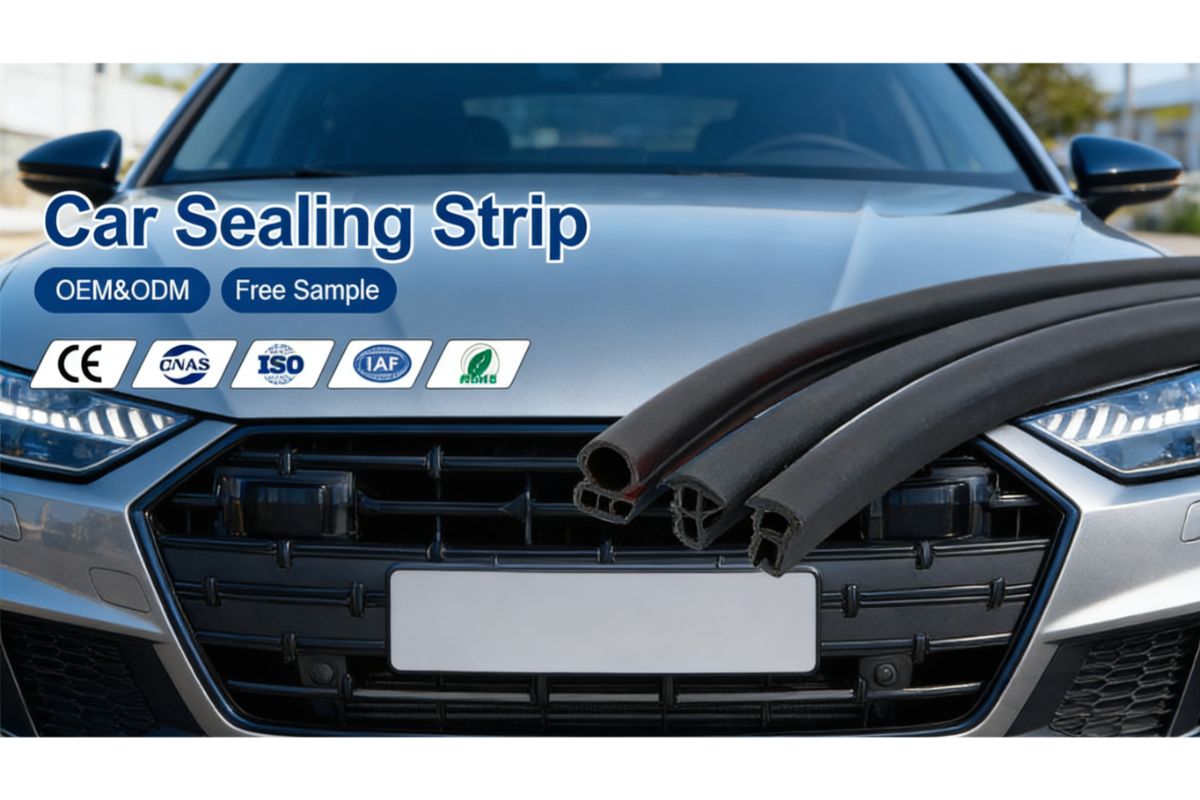
Rubber seal strips are indispensable components in the automotive and vehicle industry, serving as protective barriers against moisture, dust, noise, vibration, and temperature extremes. These seemingly simple components perform critical functions—from ensuring passenger comfort and cabin quietness to protecting sensitive electronic components and maintaining structural integrity. Selecting the right rubber seal material directly impacts vehicle performance, durability, safety, and cost-effectiveness.
For automotive buyers and procurement specialists, understanding the material differences, application-specific requirements, and cost-performance tradeoffs is essential for making informed purchasing decisions. This comprehensive guide analyzes the most common rubber seal materials used in automotive applications, their distinct properties, and how to select the optimal material for your specific needs.
Why Material Selection Matters: Performance and Longevity Factors
Choosing inappropriate rubber seal material leads to premature failure, resulting in:
Water leaks and moisture damage to interior components
Increased wind noise and reduced acoustic comfort
Energy loss through poor thermal insulation
Safety concerns due to compromised door or window seals
Frequent replacements and higher total cost of ownership
The right material selection ensures:
Extended product lifespan matching vehicle durability expectations
Consistent performance across temperature extremes (-40°C to 120°C+)
Resistance to automotive fluids (oils, fuels, cleaning agents)
Optimal compression set recovery for lasting sealing force
Cost-effectiveness through appropriate material specification
Comprehensive Analysis of Automotive Rubber Seal Materials
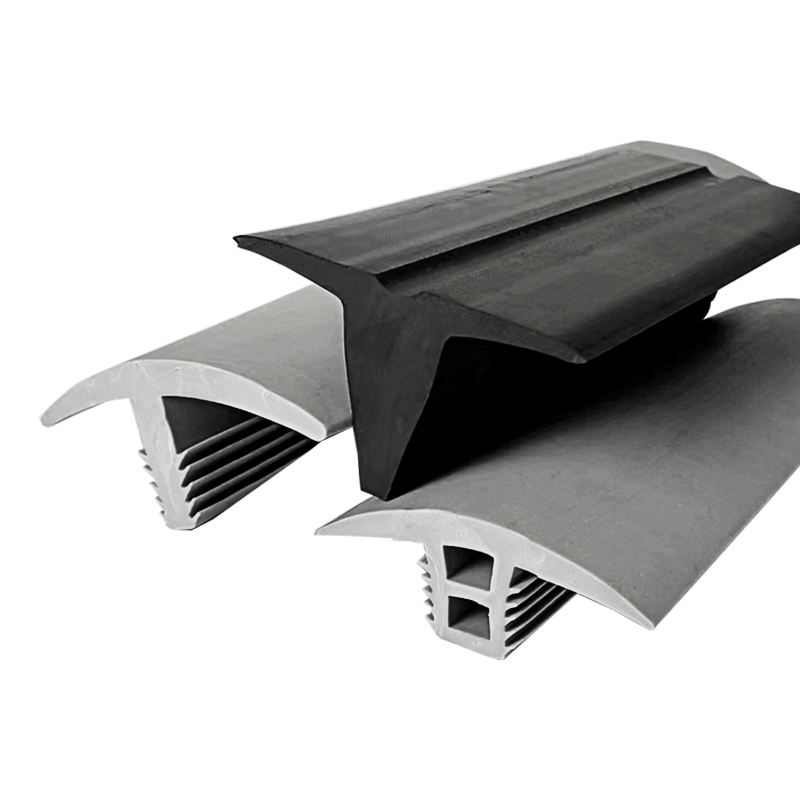
1. EPDM (Ethylene Propylene Diene Monomer)
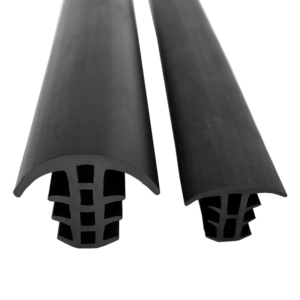
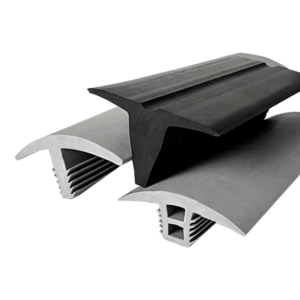
Primary Applications: Door seals, window seals, trunk seals, sunroof seals, hood seals
Key Properties:
Exceptional weather and ozone resistance
Excellent temperature tolerance (-50°C to 150°C)
Good compression set resistance
Superior UV and oxidation resistance
Good water and steam resistance
Performance Advantages:
EPDM has become the industry standard for exterior automotive seals due to its outstanding weathering capabilities. It maintains flexibility in extreme cold while resisting degradation from heat and ozone exposure. EPDM formulations with carbon black provide excellent UV protection, crucial for components exposed to direct sunlight.
Cost Considerations:
Moderate material cost with excellent lifespan makes EPDM highly cost-effective for exterior applications. Standard-grade EPDM offers the best balance of performance and cost for most exterior sealing applications.
Best For: Buyers needing durable exterior seals with excellent weather resistance at competitive pricing.
2. Silicone Rubber
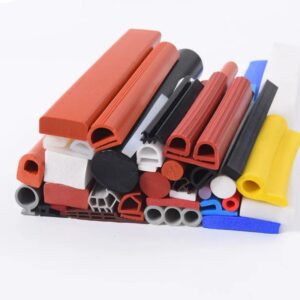
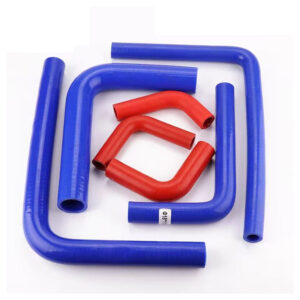
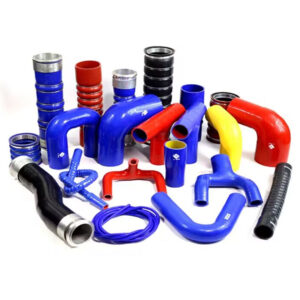
Primary Applications: Engine compartment seals, high-temperature gaskets, coolant system seals, electrical connector seals
Key Properties:
-
Extreme temperature range (-60°C to 230°C+)
-
Excellent ozone and UV resistance
-
Good compression set at high temperatures
-
Maintains flexibility at low temperatures
-
Inert and suitable for food/medical grade applications
Performance Advantages:
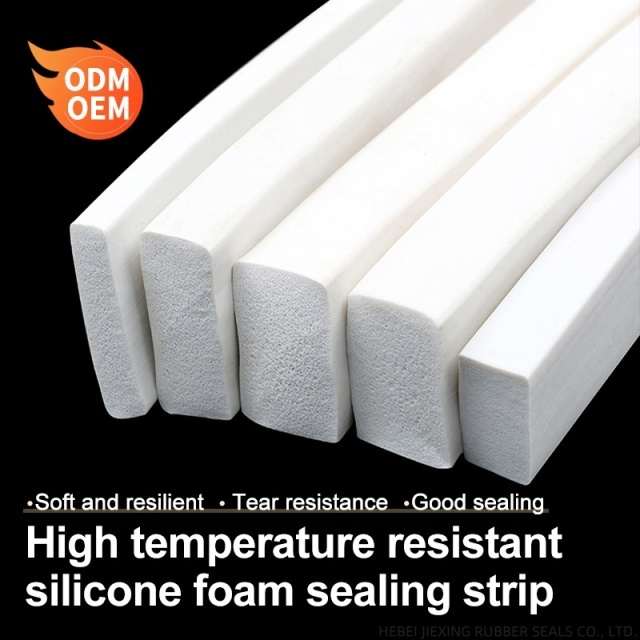
Silicone rubber excels in extreme temperature environments where other elastomers fail. Its stable molecular structure provides consistent performance across the widest temperature range of any automotive rubber. Silicone maintains elasticity better than organic rubbers at both high and low temperature extremes.
Limitations:
Lower tensile strength and tear resistance compared to organic rubbers. Higher permeability to gases. Generally higher cost than organic rubbers.
Best For: High-temperature applications, extreme climate conditions, and specialty applications requiring exceptional temperature performance.
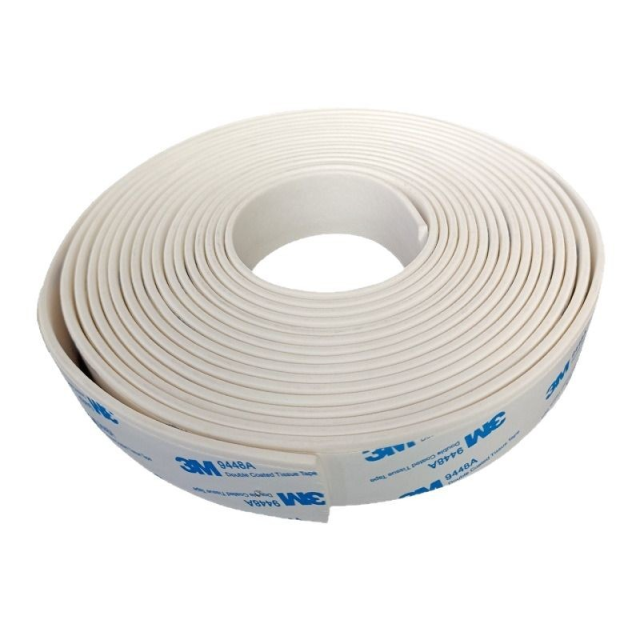
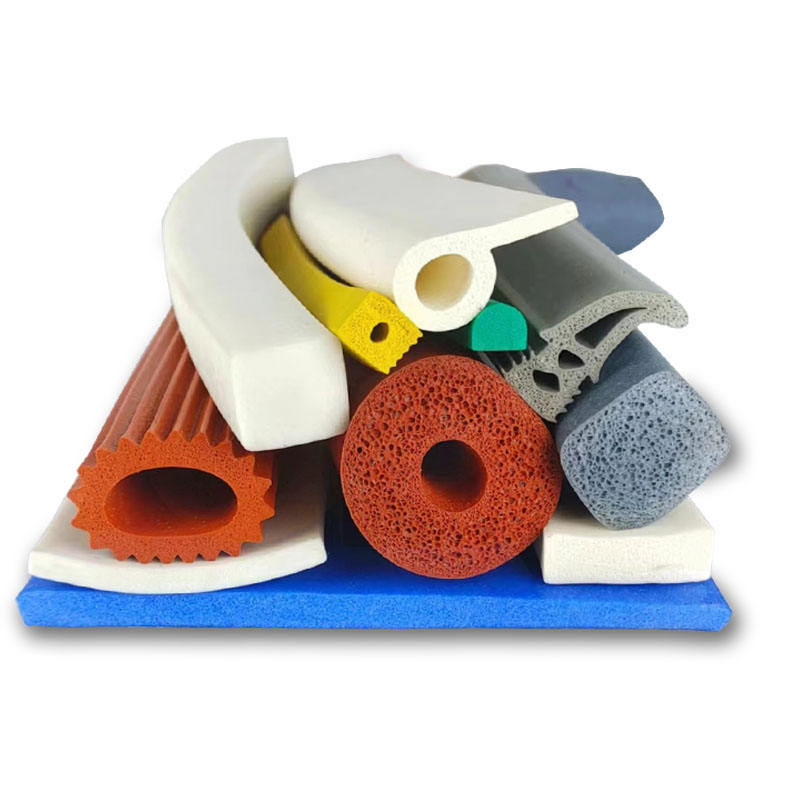
3. Neoprene (Chloroprene Rubber)
Primary Applications: Fuel system seals, hose connections, vibration mounts, some gasket applications
Key Properties:
-
Good resistance to oils, fuels, and chemicals
-
Moderate weather and ozone resistance
-
Flame retardant properties
-
Good physical strength and toughness
-
Performs well in moderate temperatures (-40°C to 120°C)
Performance Advantages:
Neoprene offers balanced properties with good resistance to petroleum-based products, making it suitable for fuel system applications. It provides better flame resistance than most general-purpose rubbers and maintains decent mechanical properties across a reasonable temperature range.
Best For: Applications requiring oil and fuel resistance at moderate cost, particularly in underhood environments.
4. Natural Rubber
Primary Applications: Suspension bushings, vibration dampeners, some sealing applications requiring high elasticity
Key Properties:
-
Excellent tensile strength and elasticity
-
Good low-temperature flexibility
-
High resilience and rebound
-
Biodegradable and from renewable resources
Limitations:
Poor resistance to oils, fuels, ozone, and UV exposure. Limited high-temperature capability (typically to 70-80°C). Requires stabilization additives for automotive use.
Best For: Applications requiring maximum elasticity and resilience where environmental exposure is minimal.
5. SBR (Styrene Butadiene Rubber)
Primary Applications: Low-cost general-purpose seals, brake system components, some molded parts
Key Properties:
-
Good abrasion resistance
-
Moderate cost
-
Acceptable mechanical properties
-
Can be compounded for improved oil resistance
Limitations:
Poor weather and ozone resistance without additives. Inferior to EPDM for exterior applications. Limited temperature range compared to premium materials.
Best For: Cost-sensitive interior applications or components protected from environmental exposure.
6. Specialty and Hybrid Compounds
TPE/TPV (Thermoplastic Elastomers/Vulcanizates):
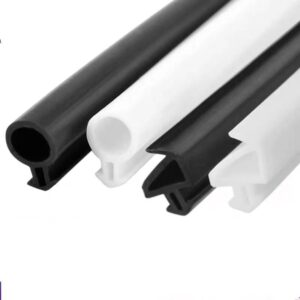
Increasingly popular for automotive seals due to recyclability and processing advantages. TPVs (often EPDM/PP blends) offer EPDM-like properties with thermoplastic processing benefits.
Fluoroelastomers (FKM/Viton®):
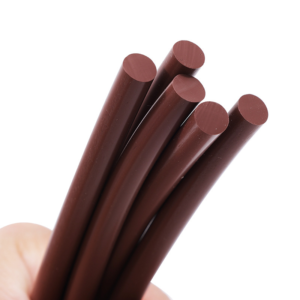
Exceptional chemical and high-temperature resistance for demanding applications like turbocharger seals, fuel system components, and transmission seals. Higher cost justified for extreme conditions.
Nitrile Rubber (NBR):
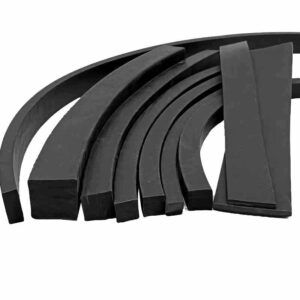
Excellent oil and fuel resistance for engine and transmission applications. Often used in combination with other materials for specific property enhancement.
Comparative Analysis: Material Performance Matrix
| Property | EPDM | Silicone | Neoprene | Natural Rubber | SBR | TPV |
|---|---|---|---|---|---|---|
| Temperature Range | -50°C to 150°C | -60°C to 230°C | -40°C to 120°C | -50°C to 80°C | -40°C to 100°C | -60°C to 135°C |
| Weather/Ozone Resistance | Excellent | Excellent | Good | Poor | Poor | Excellent |
| Oil/Fuel Resistance | Poor | Fair | Good | Poor | Fair to Good | Poor to Fair |
| Compression Set Resistance | Very Good | Good at High Temp | Good | Fair | Fair | Good |
| Tear Strength | Good | Fair | Good | Excellent | Good | Good |
| Cost Factor | $$ | $$$ | $$ | $ | $ | $$ |
| Typical Automotive Lifespan | 10-15 years | 15-20 years | 7-10 years | 5-8 years | 5-7 years | 10-15 years |
Selection Guide: Matching Material to Application
Exterior Seals (Doors, Windows, Trunk, Hood)
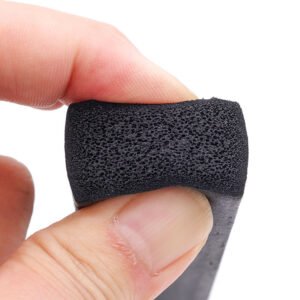
Recommended Material: EPDM
Why: Superior weather resistance, UV stability, and temperature tolerance make EPDM the ideal choice for exterior seals that must withstand environmental exposure while maintaining sealing force through countless compression cycles.
Alternative: TPV for applications requiring recyclability or specific color matching without painting.
Buyer Consideration: For standard passenger vehicles, EPDM provides optimal cost-performance ratio. For luxury vehicles or extreme climates, consider premium-grade EPDM with enhanced UV stabilizers.
High-Temperature Areas (Engine Bay, Exhaust System)
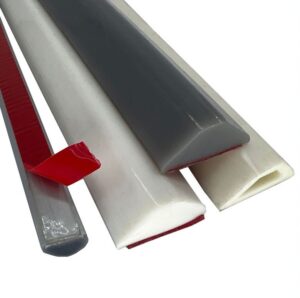
Recommended Material: Silicone or Fluoroelastomers
Why: Exceptional temperature resistance maintains seal integrity when exposed to engine heat. Silicone offers better low-temperature flexibility, while fluoroelastomers provide superior chemical resistance.
Alternative: Specialty EPDM compounds rated for continuous 150°C+ service.
Buyer Consideration: Assess maximum temperature exposure and whether chemical resistance is required. Silicone typically offers better value unless aggressive fluids are present.
Fluid-Exposed Seals (Fuel Systems, Oil Areas)
Recommended Material: Neoprene, Nitrile, or Fluoroelastomers
Why: These materials maintain physical properties when exposed to petroleum-based fluids that would degrade other elastomers.
Alternative: Hydrogenated Nitrile (HNBR) for enhanced temperature resistance with oil compatibility.
Buyer Consideration: Match material to specific fluid type, concentration, and temperature. Request fluid immersion test data from suppliers.
Vibration Dampening and Mounts
Recommended Material: Natural Rubber or EPDM/NR Blends
Why: High resilience and damping characteristics effectively reduce noise and vibration transmission.
Alternative: Specialty polyurethane compounds for extreme load-bearing applications.
Buyer Consideration: Consider dynamic vs. static applications. Natural rubber excels in dynamic damping but requires protection from environmental exposure.
Cost-Sensitive High-Volume Applications
Recommended Material: SBR or Standard EPDM
Why: Acceptable performance at minimum cost for protected applications or shorter lifespan requirements.
Alternative: Recycled rubber compounds where specifications permit.
Buyer Consideration: Evaluate total cost of ownership including replacement frequency. Lower upfront cost may result in higher long-term expenses.
Advanced Considerations for Automotive Buyers
Material Compounding and Additives
Base polymer selection is only the beginning. Compound formulation significantly affects performance:
-
Fillers: Carbon black improves UV resistance; silica enhances tear strength
-
Plasticizers: Affect low-temperature flexibility and hardness
-
Curing Systems: Influence compression set resistance and heat aging
-
Stabilizers: UV inhibitors, antioxidants, and ozone protectors extend lifespan
Buyer Action: Request complete compound specifications, not just base polymer type.
Hardness (Durometer) Selection
Shore A hardness typically ranges from 40 (soft) to 80 (hard) for automotive seals:
-
Softer seals (40-60 Shore A): Better conformability, lower closing force requirements
-
Harder seals (60-80 Shore A): Better durability, higher closing force needed
-
Dual-durometer designs: Soft bulb for sealing with hard carrier for retention
Buyer Action: Specify application requirements to supplier for durometer recommendation.
Compression Set Resistance
Critical for maintaining sealing force over time. Lower percentage indicates better recovery:
-
EPDM: 15-25% (22h at 125°C)
-
Silicone: 5-15% (22h at 150°C)
-
Neoprene: 20-30% (22h at 100°C)
Buyer Action: Require compression set test data for critical applications.
Environmental and Regulatory Compliance
Modern automotive seals must comply with:
-
REACH, RoHS: Restriction of hazardous substances
-
IMDS: International Material Data System reporting
-
VOC Emissions: Low volatile organic compound materials for interior applications
-
Recyclability: Increasing importance for end-of-life vehicle directives
Buyer Action: Request compliance documentation for target markets.
Cost-Performance Optimization Strategies
Tiered Material Specification
Develop multiple material specifications based on application criticality:
-
Tier 1 (Critical): Premium materials with full testing (safety-related, exterior exposure)
-
Tier 2 (Standard): Balanced performance materials (most interior, protected exterior)
-
Tier 3 (Non-critical): Cost-optimized materials (trim, non-sealing applications)
Total Cost of Ownership Analysis
Consider beyond unit price:
-
Installation costs (ease of assembly)
-
Warranty/liability exposure
-
Replacement frequency and labor
-
Vehicle lifespan compatibility
Regional Climate Considerations
Material performance varies by climate:
-
Hot/Humid: Prioritize ozone and moisture resistance
-
Cold: Emphasize low-temperature flexibility
-
Desert: Maximize UV and heat resistance
-
Coastal: Enhance salt spray/corrosion resistance
Supplier Evaluation and Quality Assurance