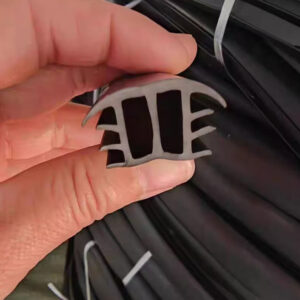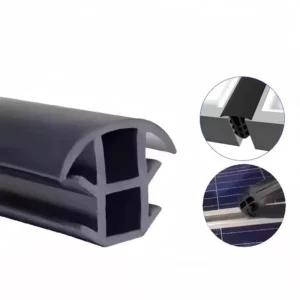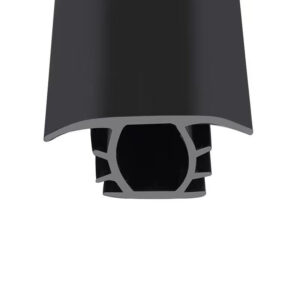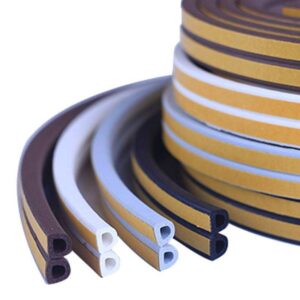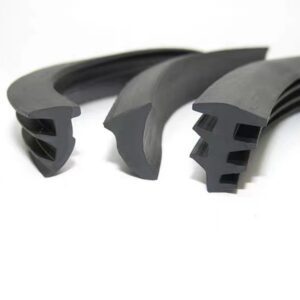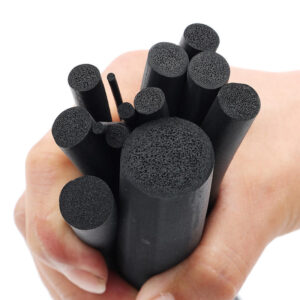
Creat a one-stop cooperative procument service for rubber seal strips
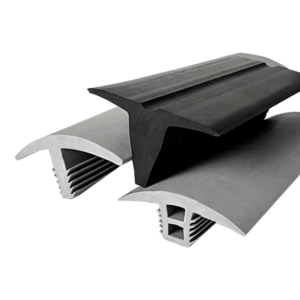
Main products:EPDM sealing strips, silicone rubber sealing strps, NBR rubber sealing strips, FKM rubber sealing strips,neoprene sealing strips, PVC sealing strips, silicone sheet, rubber sheets, EVA foam sheets and rubber gaskets, etc.
High-Performance Rubber Seal Strips for Garage & Door
Garage and door rubber seal strips play a critical role in residential, commercial, and industrial settings by providing weatherproofing, insulation, noise reduction, and security. This comprehensive guide explores the technical specifications, material comparisons, cost-effectiveness, and selection criteria for rubber seal strips in garage and door applications, helping buyers make informed purchasing decisions.
Why Proper Sealing Matters for Garages and Doors
Proper sealing with high-quality rubber strips delivers multiple benefits including energy efficiency, moisture protection, dust prevention, sound insulation, and enhanced security. Inadequate seals can lead to increased energy bills, water damage, pest intrusion, and reduced door lifespan.
Common Garage & Door Seal Problems and Solutions
Air Leakage: Causes drafts and temperature fluctuations
Water Infiltration: Leads to moisture damage and mold growth
Noise Transmission: Reduces acoustic comfort
Energy Loss: Increases heating and cooling costs
Security Vulnerabilities: Compromises safety
Key Material Options for Rubber Seal Strips
EPDM (Ethylene Propylene Diene Monomer) Rubber
Characteristics: Excellent weather resistance, UV stability, temperature tolerance (-40°C to +120°C)
Applications: Garage doors, overhead doors, industrial doors
Advantages: Superior ozone and chemical resistance, long lifespan (10-15 years)
Cost: Mid-range, excellent value for money
Silicone Rubber Seals
Characteristics: Extreme temperature resistance (-60°C to +230°C), high flexibility
Applications: High-temperature environments, food-grade facilities
Advantages: Non-reactive, maintains flexibility in cold conditions
Cost: Premium pricing, specialized applications
Neoprene (Polychloroprene) Rubber
Characteristics: Good weather and oil resistance, moderate temperature range
Applications: Industrial doors, commercial garages
Advantages: Good chemical resistance, flame retardant properties
Cost: Moderate, balanced performance
Natural Rubber Seals
Characteristics: High elasticity and tensile strength
Applications: Residential garage doors, standard applications
Advantages: Excellent compression set, cost-effective
Cost: Most economical option
Thermoplastic Elastomers (TPE/TPV)
Characteristics: Recyclable, consistent quality
Applications: Eco-conscious projects, modern door systems
Advantages: Good weather resistance, lightweight
Cost: Competitive pricing
Material Comparison and Selection Guide
Performance Comparison Table
| Material | Weather Resistance | Temperature Range | Lifespan | Cost | Best For |
|---|---|---|---|---|---|
| EPDM | Excellent | -40°C to +120°C | 10-15 years | $$ | All-around applications |
| Silicone | Excellent | -60°C to +230°C | 15-20 years | $$$ | Extreme temperatures |
| Neoprene | Good | -20°C to +100°C | 8-12 years | $$ | Industrial environments |
| Natural Rubber | Fair | -10°C to +70°C | 5-8 years | $ | Residential applications |
| TPE/TPV | Good | -30°C to +100°C | 7-10 years | $$ | Sustainable projects |
Cost-Effectiveness Analysis
EPDM offers the best balance of performance and price for most garage and door applications. While silicone provides superior temperature resistance, its premium cost is only justified in specialized environments. Natural rubber serves budget-conscious residential projects but may require more frequent replacement in harsh climates.
Garage Door Seal Types and Applications
Bottom Seals (Threshold Seals)
Essential for creating a complete barrier between the door and floor. Available in bulb, T-style, and fin designs for different clearance requirements.
Side and Top Seals
Provide sealing along door jambs and headers. Common profiles include U-channel, Q-lon, and compression bulb designs for varying gap sizes.
Astragal Seals
For double doors, providing a seal between two door panels. Critical for minimizing air and water infiltration between adjacent doors.
Installation Best Practices
Proper installation maximizes seal performance and lifespan:
Surface Preparation: Clean and dry surfaces thoroughly
Correct Measurement: Account for temperature-related expansion
Adhesive Selection: Choose appropriate adhesives for the substrate
Compression Optimization: Ensure proper compression without over-stressing
Joint Sealing: Properly seal end joints and corners
Industry Standards and Certifications
When sourcing rubber seal strips, verify compliance with relevant standards:
ASTM Standards: D2000, D1418 (material classification)
ISO Standards: 9001 (quality management)
Fire Ratings: UL94, FMVSS302 (for specific applications)
Environmental: RoHS, REACH compliance
Maintenance and Longevity Optimization
Regular inspection for cracks, hardening, or deformation
Cleaning with mild soap solutions
Lubrication of moving parts with silicone-based products
Seasonal adjustment for temperature variations
Replacement guidelines based on material type and environmental exposure
Customization Options for Specific Requirements
Many applications benefit from customized seal solutions:
Specialized Shapes: Non-standard door profiles
Color Matching: Aesthetic considerations
Compound Modifications: Enhanced properties for specific environments
Integrated Solutions: Combined seal and weatherstrip systems
Regional Considerations for Buyers
North American Market Requirements
Focus on energy efficiency (ENERGY STAR compliance), extreme temperature tolerance, and hurricane-resistant designs for coastal regions.
European Market Requirements
Emphasis on thermal insulation (U-value requirements), environmental standards (REACH), and high-quality aesthetics.
Middle Eastern Market Requirements
Exceptional UV and heat resistance, dust and sand protection, and compatibility with automated door systems.
Asian Market Requirements
Cost-effectiveness, high-volume production capabilities, and resistance to humid, tropical conditions.
Sourcing Considerations for International Buyers
Manufacturer Capabilities: Production capacity and quality control
Logistics: Lead times and shipping costs
Technical Support: Availability of engineering assistance
Sample Programs: Testing before bulk orders
Payment Terms: Flexible options for international transactions
Emerging Trends in Garage and Door Sealing
Smart Seal Technology: Integrated sensors for monitoring seal integrity
Sustainable Materials: Bio-based and recycled rubber compounds
Enhanced Fire Resistance: Improved materials for safety-critical applications
Aerogel Integration: Next-generation insulation in seal designs
Frequently Asked Questions
What is the best rubber seal material for extreme cold climates?
Silicone rubber maintains flexibility at extremely low temperatures, while EPDM offers excellent cold weather performance at a lower cost point.
How often should garage door seals be replaced?
Depending on material quality and environmental conditions, typical replacement intervals range from 5 years for natural rubber to 15+ years for premium EPDM or silicone.
Can I install rubber seal strips myself?
Yes, most residential applications are suitable for DIY installation with proper surface preparation and following manufacturer guidelines.
Are there eco-friendly rubber seal options?
TPE/TPV materials offer recyclability, while some manufacturers now offer EPDM with recycled content and reduced environmental impact.
Conclusion: Making the Optimal Selection
Selecting the right rubber seal strips for garage and door applications requires balancing performance requirements, environmental conditions, budget constraints, and longevity expectations. For most applications, EPDM rubber provides the optimal combination of weather resistance, temperature tolerance, lifespan, and cost-effectiveness. Specialized environments may justify premium materials like silicone, while budget-conscious residential projects can utilize natural rubber with appropriate maintenance schedules.
When sourcing rubber seal strips, prioritize suppliers with transparent material specifications, quality certifications, technical support capabilities, and experience in your specific market segment. Proper selection and installation of garage and door seals represent a small investment with significant returns in energy savings, property protection, and operational reliability.
This guide provides comprehensive information for buyers seeking effective sealing solutions for garage and door applications worldwide. For specific technical requirements or custom solutions, consult with experienced manufacturers who can provide tailored recommendations based on your unique application needs.