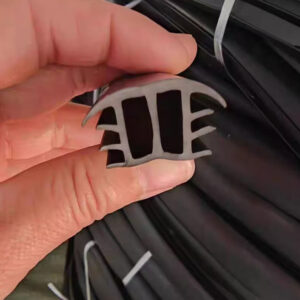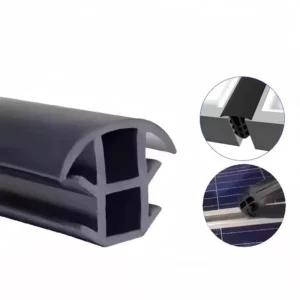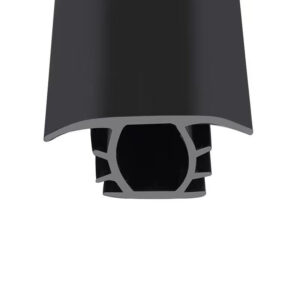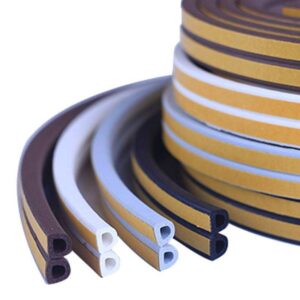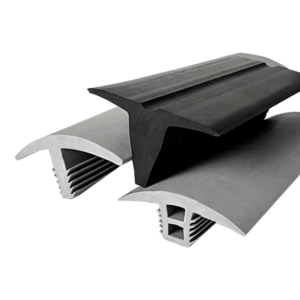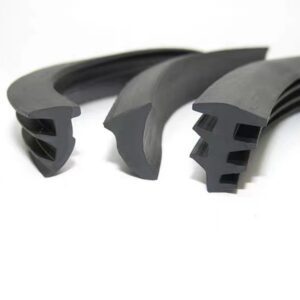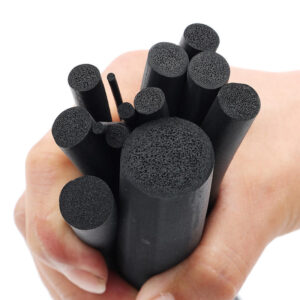
Creat a one-stop cooperative procument service for rubber seal strips
Main products:EPDM sealing strips, silicone rubber sealing strps, NBR rubber sealing strips, FKM rubber sealing strips,neoprene sealing strips, PVC sealing strips, silicone sheet, rubber sheets, EVA foam sheets and rubber gaskets, etc.
High-Performance Rubber Seal Strips for Industrial Equipment
Understanding Industrial Rubber Seal Strips: Core Functions & Applications
Rubber seal strips serve as critical components in industrial equipment, creating barriers against environmental contaminants while ensuring operational efficiency. These sealing solutions prevent leaks, reduce noise, minimize vibration, and protect sensitive components from dust, moisture, chemicals, and temperature extremes.
Primary Applications in Industrial Equipment
Machinery Enclosures: Sealing access panels, doors, and inspection windows on CNC machines, presses, and assembly equipment
HVAC Systems: Sealing ductwork, air handlers, and environmental control units
Material Handling Equipment: Sealing conveyor systems, hoppers, and storage containers
Processing Equipment: Creating seals for mixers, reactors, and separation equipment
Hydraulic & Pneumatic Systems: Sealing cylinders, valves, and fluid power components
Electrical Enclosures: Protecting control panels, junction boxes, and electrical cabinets
Material Comparison: Selecting the Optimal Rubber Compound
Choosing the correct rubber material is essential for performance, longevity, and cost-effectiveness. Below we analyze the most common industrial rubber seal strip materials.
Nitrile Rubber (NBR) – The All-Rounder
Properties: Excellent resistance to oils, fuels, and petroleum-based fluids
Temperature Range: -40°C to 120°C (-40°F to 248°F)
Best For: Hydraulic systems, automotive applications, fuel handling equipment
Cost-Effectiveness: Moderate price with excellent balance of properties
Limitations: Poor resistance to ozone, sunlight, and weathering
Ethylene Propylene Diene Monomer (EPDM) – Weather Warrior
Properties: Superior resistance to ozone, weathering, and water
Temperature Range: -50°C to 150°C (-58°F to 302°F)
Best For: Outdoor equipment, HVAC systems, sealing against steam
Cost-Effectiveness: Excellent long-term value for outdoor applications
Limitations: Poor resistance to petroleum-based oils and fuels
Silicone Rubber – Extreme Temperature Performer
Properties: Exceptional temperature resistance with good flexibility
Temperature Range: -60°C to 230°C (-76°F to 446°F)
Best For: High-temperature equipment, food processing, medical devices
Cost-Effectiveness: Higher initial cost justified in extreme environments
Limitations: Lower tear strength and higher cost compared to other elastomers
Neoprene (Chloroprene) – The Durable Workhorse
Properties: Good all-around resistance to weather, oils, and moderate chemicals
Temperature Range: -40°C to 100°C (-40°F to 212°F)
Best For: General industrial applications, moderate chemical exposure
Cost-Effectiveness: Excellent value for general-purpose sealing
Limitations: Not suitable for extreme chemical or temperature conditions
Fluoroelastomer (FKM/Viton) – Chemical Resistant Specialist
Properties: Exceptional resistance to chemicals, oils, and high temperatures
Temperature Range: -20°C to 200°C (-4°F to 392°F)
Best For: Aggressive chemical environments, aerospace, automotive
Cost-Effectiveness: Premium price for demanding applications only
Limitations: High cost and less flexibility at low temperatures
Cost-Benefit Analysis: Making the Optimal Material Selection
Initial Cost vs. Lifetime Value
When evaluating rubber seal strips, consider total cost of ownership rather than just purchase price. EPDM seals may cost 15-20% more than basic NBR initially but can last 3-5 times longer in outdoor applications, reducing replacement costs and equipment downtime.
Performance Requirements Matrix
| Application Environment | Recommended Material | Cost Category | Expected Service Life |
|---|---|---|---|
| General indoor machinery | Neoprene | Low-Medium | 5-7 years |
| Hydraulic systems | Nitrile (NBR) | Medium | 3-5 years |
| Outdoor equipment | EPDM | Medium | 8-12 years |
| High-temperature (>150°C) | Silicone | High | 4-6 years |
| Chemical exposure | FKM/Viton | Premium | 5-8 years |
| Food processing | Platinum-cured Silicone | Premium | 3-5 years |
Decision Factors for Material Selection
Chemical Exposure: Identify all fluids and chemicals the seal will encounter
Temperature Extremes: Consider both operating and ambient temperatures
Pressure Requirements: Determine if static or dynamic pressure sealing is needed
Environmental Factors: Account for UV exposure, ozone, and weathering
Regulatory Compliance: Consider FDA, NSF, UL, or industry-specific requirements
Movement Requirements: Evaluate compression set and flexibility needs
Customized Solutions for Specific Industrial Equipment Needs
CNC Machines and Precision Equipment
Challenge: Preventing coolant ingress while maintaining precise tolerances
Solution: Custom-profile EPDM seals with high compression set resistance
Key Features: Low outgassing, minimal shrinkage, contamination resistance
Recommended Profile: Dense cellular structure with closed-cell design
Food Processing and Pharmaceutical Equipment
Challenge: Meeting sanitary standards while withstanding cleaning chemicals
Solution: Platinum-cured silicone seals with smooth, non-porous surfaces
Key Features: FDA compliance, steam resistance, non-toxic formulation
Recommended Profile: Solid extruded profiles with rounded edges
Outdoor and Construction Equipment
Challenge: Withstanding UV exposure, temperature swings, and weathering
Solution: Carbon-black loaded EPDM with UV stabilizers
Key Features: Ozone resistance, weather durability, temperature flexibility
Recommended Profile: Hollow bulb designs for enhanced compression recovery
High-Temperature Industrial Ovens and Furnaces
Challenge: Maintaining seal integrity at extreme temperatures
Solution: High-temperature silicone with ceramic fillers
Key Features: Minimal compression set at 200°C+, low thermal conductivity
Recommended Profile: Solid rectangular or custom profiles with thermal barrier design
Installation Best Practices and Maintenance Guidelines
Proper Installation Techniques
Surface Preparation: Clean and degrease mating surfaces before installation
Adhesive Selection: Choose compatible adhesives for the substrate and rubber compound
Joint Design: Implement proper corner treatments and mitre cuts
Compression Optimization: Achieve 15-25% compression for optimal sealing
Avoidance of Stretching: Install without tension to prevent premature failure
Maintenance and Inspection Protocols
Visual Inspection: Check for cracks, hardening, or permanent deformation quarterly
Compression Testing: Verify seal maintains adequate contact pressure annually
Chemical Compatibility Review: Reassess when process chemicals change
Preventive Replacement: Schedule replacement before end of expected service life
Global Standards and Compliance Considerations
International Quality Standards
ISO 9001: Quality management systems for manufacturing
ISO/TS 16949: Automotive industry-specific quality standards
FDA CFR 21: Food and drug contact compliance (USA)
NSF/ANSI 51: Food equipment materials certification
UL 94: Flammability safety standard
REACH & RoHS: European chemical restrictions
Industry-Specific Certifications
Aerospace: AMS (Aerospace Material Specifications)
Automotive: Original Equipment Manufacturer (OEM) approvals
Medical: USP Class VI, ISO 10993 biocompatibility
Marine: Saltwater and weather resistance certifications
Regional Considerations for International Buyers
Temperature and Climate Adaptations
North America/Europe: Focus on wide temperature range materials (-40°C to 150°C)
Middle East: Prioritize UV and extreme heat resistance materials
Tropical Regions: Emphasize moisture and mold resistance compounds
Arctic Conditions: Require specialized low-temperature flexibility formulations
Supply Chain and Logistics Factors
Local Manufacturing vs. Import: Balance cost against lead time requirements
Customs and Duties: Consider trade agreements between manufacturing and destination countries
Inventory Strategy: Maintain regional stock for critical seal profiles
Technical Support: Ensure local language technical documentation and support
Future Trends in Industrial Rubber Sealing Technology
Advanced Material Developments
Self-Healing Elastomers: Materials that repair minor damage autonomously
Smart Seals with Embedded Sensors: Monitoring pressure, temperature, and wear
Sustainable Compounds: Bio-based rubbers with reduced environmental impact
Hybrid Materials: Combining rubber with thermoplastics for enhanced properties
Manufacturing Innovations
3D Printing of Custom Seals: Rapid prototyping and small batch production
Laser Profile Measurement: Enhanced quality control during extrusion
Automated Adhesive Application: Improved consistency in seal installation
Frequently Asked Questions (FAQ)
How do I determine the right seal profile for my application?
Consider the gap size, compression requirements, and sealing surface irregularities. For gaps under 3mm, solid profiles work well; for larger gaps, hollow bulb designs provide better compression recovery. Consult our engineering team for custom profile recommendations.
What’s the lead time for custom rubber seal strips?
Standard profiles: 2-4 weeks. Custom profiles: 4-8 weeks depending on tooling requirements. Expedited services available for urgent requirements.
How can I test rubber seal compatibility with my application?
Request material samples for immersion testing in your operating environment. We provide test kits for common industrial chemicals and temperature conditions.
What’s the minimum order quantity for custom seals?
MOQ varies by profile complexity: $500-$2000 minimum order value. Stock profiles available in smaller quantities.
Conclusion: Making the Optimal Selection for Your Equipment
Selecting the appropriate rubber seal strips requires careful analysis of operational conditions, material properties, and total cost considerations. By matching the rubber compound to your specific environmental challenges and performance requirements, you can maximize equipment reliability, minimize downtime, and optimize long-term operational costs.
For personalized recommendations based on your specific industrial equipment needs, contact our technical support team with details of your application, operating conditions, and performance requirements. We provide free sample kits, material compatibility testing, and engineering support to ensure optimal sealing solutions for your equipment.